

The Hidden Power Problem in AI Data Centers: Managing Load Spikes and Grid Instability
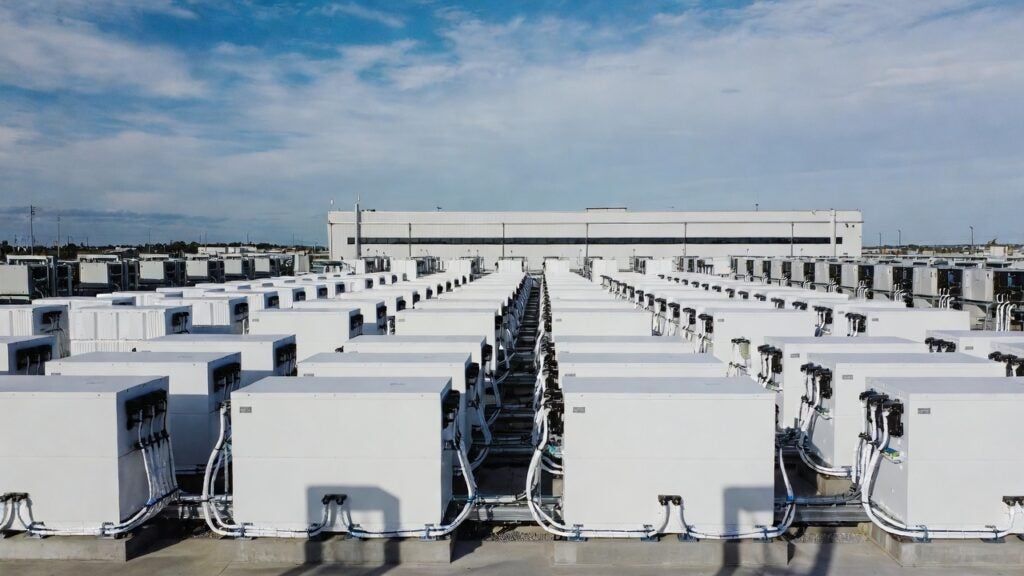
Artificial intelligence is pushing data centers to unprecedented levels of power density, but the real challenge is not just how much energy they consume. It is how rapidly and unpredictably AI workloads draw power, creating load spikes that strain transformers, disrupt grid stability, and slow expansion in key markets. In this blog, we explore the hidden power problem behind AI growth and how engineered Energy Storage Systems can turn volatility into a strategic advantage.
Why Standard Battery Packs Are Accelerating Electrification Programs
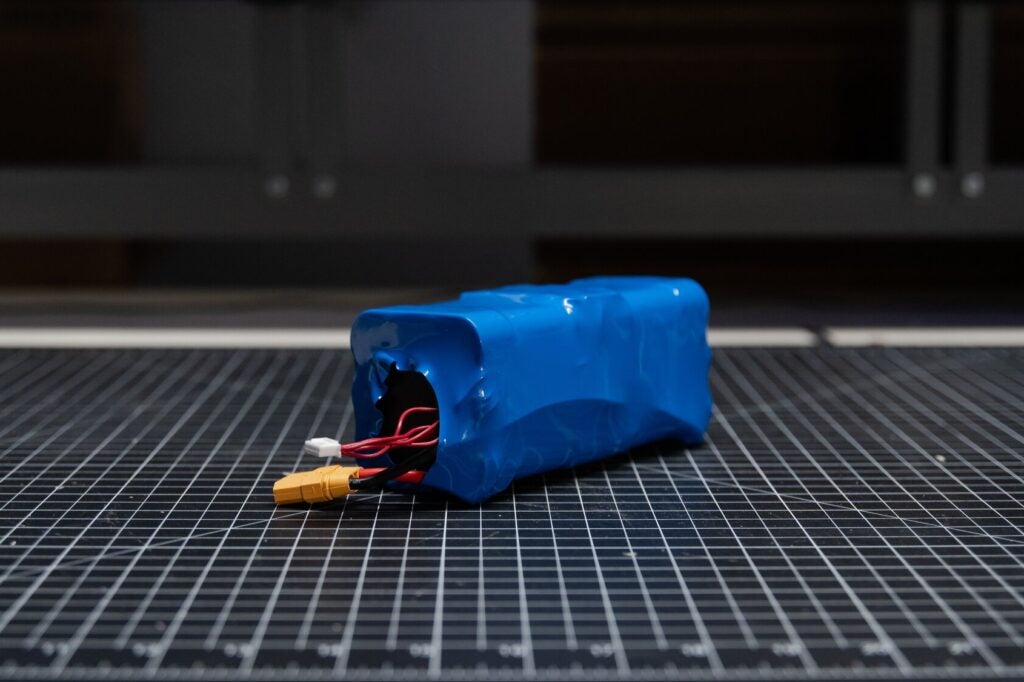
As electrification timelines continue to compress, manufacturers are turning to standard battery pack platforms to move faster without sacrificing performance or reliability. By combining proven architectures with application-specific customization, teams can reduce development risk, control costs, and accelerate the path from concept to production.
Choosing the Right Battery Pack for Industrial and Defense Applications
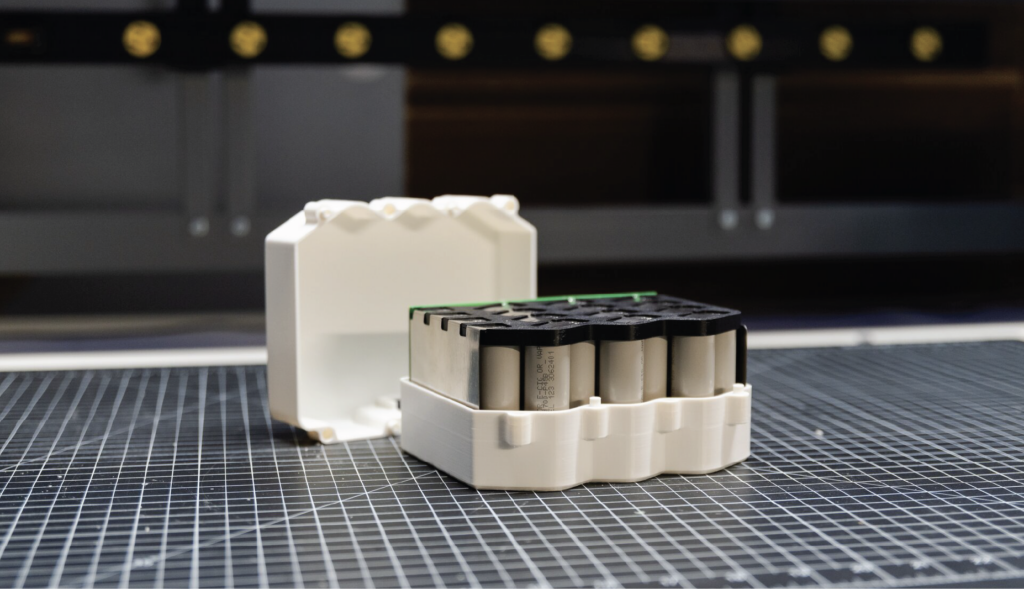
Battery packs are not interchangeable commodities. They are critical systems that determine whether industrial equipment operates efficiently and whether defense missions succeed in the field. The wrong pack choice can mean forklifts that cannot complete a shift, drones that lose power mid-mission, or vehicles sidelined due to overheating. For organizations where downtime equates to lost revenue or compromised safety, the stakes are too high to leave battery selection to chance.
Decoding the One Big Beautiful Bill
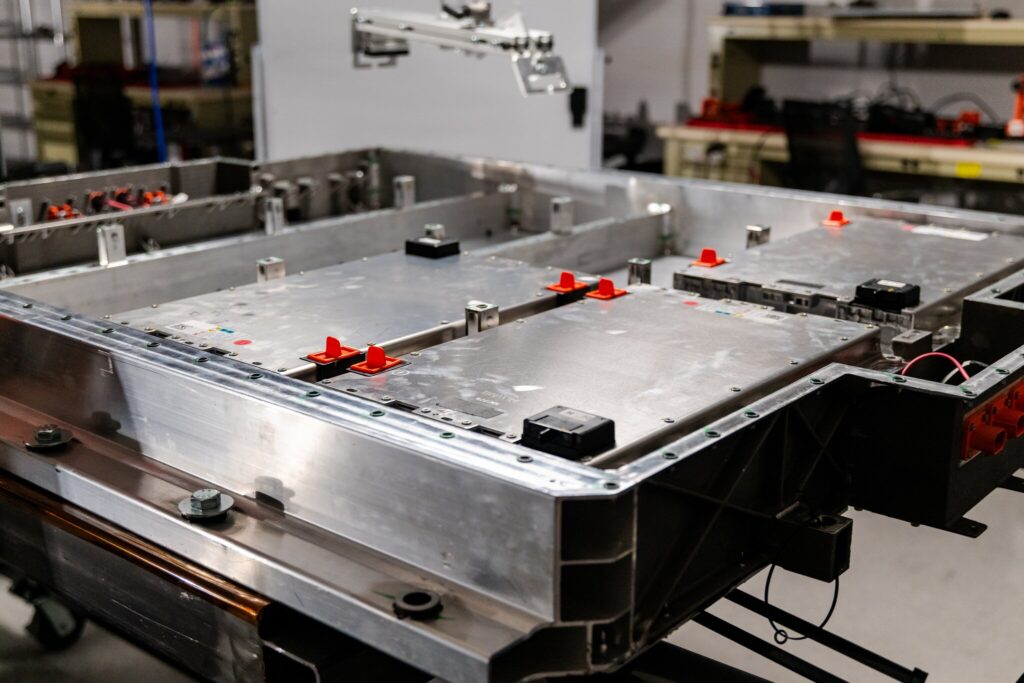
When the One Big Beautiful Bill Act (OBBBA) was signed into law on July 4, 2025, most headlines focused on its sweeping changes to defense spending, border security, and the rollback of solar and wind incentives. Yet tucked within its hundreds of pages is a development that could reshape the future of the battery industry. For the first time, batteries were recognized as a distinct and strategic energy asset, not just a clean energy enabler. This change has positioned advanced battery manufacturing at the very heart of U.S. industrial and energy policy.
A Better Way to Scale: Eliminating the Battery Development Bottleneck

In the race to bring new battery-powered products to market, speed matters. But so does scalability. Many companies move fast to develop a prototype, only to find themselves stuck when it’s time to scale up. Delays, redesigns, and misalignment between engineering and production teams can derail even the most promising product launches.